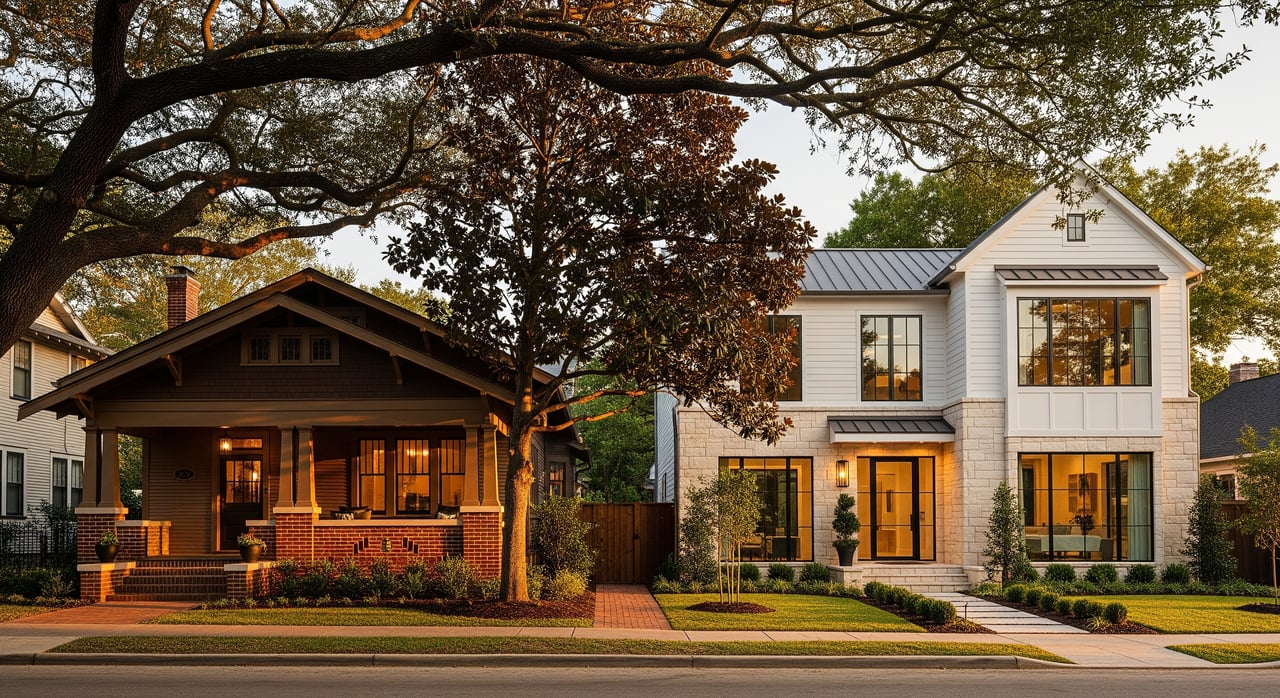
Are you drawn to 12 South’s tree‑lined streets and coffee‑shop buzz, but torn between the charm of a renovated bungalow and the ease of a new build? You are not alone. Buyers in this neighborhood often weigh character against convenience, with real tradeoffs in layout, maintenance, and resale. This guide gives you a clear, local comparison so you can choose with confidence. Let’s dive in.
12 South snapshot: housing and lifestyle
12 South sits just south of downtown Nashville, prized for walkability, local boutiques, restaurants, and greenway access. The housing mix includes early 20th‑century bungalows and cottages, renovated homes that preserve period details, and larger infill builds or townhome clusters on original lots. Lots tend to be modest, and newer construction often goes vertical to increase living space. Demand is strong because of lifestyle appeal, and limited lot supply keeps both renovated historic homes and new builds competitive.
Living experience: how each feels day to day
Historic or renovated homes
- You get distinctive character like woodwork, built‑ins, and unique floorplans that feel connected to neighborhood history.
- Original layouts may include smaller rooms, fewer closets, and fewer bathrooms unless the home was thoughtfully reconfigured.
- Renovations vary in scope. High‑quality, permitted work can deliver modern function while keeping original details.
New construction homes
- You gain open layouts, larger kitchens, walk‑in closets, and en‑suite bathrooms designed for how people live today.
- Storage and flow tend to be intentional, which helps with entertaining and daily routines.
- The style may feel more contemporary and less one‑of‑a‑kind compared with historic charm.
Noise, privacy, and outdoor space
- Infill homes can be larger on the lot and closer to edges, so design choices and fencing matter for privacy.
- Historic properties may have mature trees and landscaping that add shade and separation, but outdoor areas can still be modest.
- Backyard size and usability vary widely block by block, so touring the lot context is essential.
Systems, safety, and maintenance
Historic or renovated homes
- Older houses can need electrical, plumbing, insulation, and HVAC upgrades if prior work was limited. Knob‑and‑tube or galvanized pipes may remain in less‑updated homes.
- Quality of renovation matters. Permitted, professional work reduces risk and can bring systems to modern standards.
- Expect potentially higher ongoing maintenance for roofing, foundation items, windows, siding, and historic finishes.
New construction homes
- New systems meet current codes and are typically more energy efficient from day one.
- You may have builder and manufacturer warranties that reduce near‑term risk.
- Maintenance still exists over time, but most big expenses are likely farther out compared with older homes.
Energy efficiency and comfort
Historic or renovated homes
- Comfort depends on retrofit scope: insulation, air sealing, HVAC updates, and window approaches all matter.
- Historic windows are sometimes repaired rather than replaced for preservation reasons, which can influence efficiency and cost.
New construction homes
- Better thermal envelopes, balanced HVAC sizing, and modern insulation are standard.
- Some builders pursue higher efficiency targets or certifications, which can lower utility costs and improve comfort.
Space, storage, parking, and access
Historic or renovated homes
- Closets and storage can be smaller. Attics may be less usable without upgrades.
- Parking may be street‑based or in smaller driveways. Some renovations add garages or accessory units based on zoning.
New construction homes
- Garages and planned storage solutions are more common.
- Modern accessibility features can be integrated from the start if designed in.
Cost, financing, and timelines in 12 South
Purchase price and value
- In this high‑demand neighborhood, both renovated historic homes and new builds can command premiums. The specific lot, layout, and condition often drive pricing.
- Historic charm appeals to design‑minded buyers, while turnkey convenience appeals to those who want move‑in ease.
Renovation budget ranges
- Cosmetic refreshes like kitchens, baths, paint, and floors can take weeks to months.
- Full systems replacement for HVAC, electrical, plumbing, and insulation may take months and require a higher budget.
- Structural changes, foundations, and major reconfigurations increase costs and timelines. Hidden issues like rot, outdated wiring, termites, or water damage are common in older homes, so plan for contingencies and thorough inspections.
Financing options to consider
- For historic or rehab purchases, renovation loans like FHA 203(k) and Fannie Mae HomeStyle, plus local lender programs, can roll improvements into financing. Each has rules on allowable work and underwriting.
- For new construction, you may use construction‑to‑permanent loans or builder financing. These often require different deposits and draw inspections.
- Lender experience matters. Work with lenders who understand renovation and construction lending since appraisal, timelines, and documentation differ from standard mortgages.
Insurance, appraisal, and taxes
- Insurance for older homes can be higher, and some policies require endorsements for older systems or historic materials. Historic status can affect replacement‑cost assumptions.
- Appraisals rely on comps. Renovation loans often consider both as‑is and after‑improvement values.
- Property taxes are based on assessed value. Major renovations or new construction can trigger reassessment. Verify specifics with the Davidson County assessor.
Timeline expectations in 12 South
- Buying a move‑in‑ready renovated home follows a typical resale timeline.
- Renovating after purchase can range from weeks to months for smaller projects, and 6 to 12 or more months for full gut or structural work.
- Tear‑down and new construction often take 8 to 18 months, depending on complexity, permitting, and contractor availability.
Rules, preservation, and site constraints
Historic overlays and reviews
- Confirm if the property lies in a local historic overlay or is individually landmarked. Overlays can restrict exterior changes and require design review.
- Some jurisdictions offer incentives for preservation, but guidelines influence what is allowed.
Zoning, setbacks, and infill standards
- Metro Nashville zoning will control use, lot coverage, setbacks, height, and accessory dwelling rules. Infill proposals must meet current standards or seek variances.
- Tree protection and stormwater rules can affect siting and costs, especially on tight lots.
Demolition oversight and permits
- Some areas require demolition review or waiting periods to manage loss of historic fabric. Understand rules before planning a teardown.
- Always confirm permit history for prior work. Unpermitted work can complicate resale and financing.
Environmental and site factors
- Drainage, grading, and floodplain status affect cost and feasibility. Check FEMA and local designations.
- Older homes may contain lead paint or asbestos. Plan for abatement within schedules and budgets.
Inspections and approvals
- Structural changes, system updates, and occupancy changes require permits. New builds involve multiple inspections from foundation through final.
- Request permit records from sellers or the building department and verify that completed work was inspected and closed.
Resale outlook and buyer demand
Who tends to buy each type
- Renovated historic homes attract buyers who value authenticity, craftsmanship, and mature landscaping.
- New construction attracts buyers who prioritize convenience, modern amenities, and lower near‑term maintenance.
Pricing and comparables
- Appraisals depend on nearby comps that reflect size, quality, and finish. Renovated historic homes with strong systems and preserved details can price competitively.
Marketability and staging
- Historic homes: highlight original features, landscaping, and any system updates or warranties that reduce perceived risk.
- New builds: emphasize modern systems, energy efficiency, open plans, and storage. Stage to showcase flow and functionality.
Resale risk factors
- Historic renovations: watch for unpermitted work, hidden damage, uneven workmanship, or layouts that do not fit current buyer preferences.
- New construction: some buyers react to lot squeeze, a lack of mature trees, or scale that feels out of sync with surrounding homes.
Short‑term rental and investment
- Rules for short‑term rentals vary by property type, zoning, and permitting. Always confirm eligibility and neighborhood expectations before underwriting returns.
Quick checklist to compare two homes
Use this during showings, inspections, and negotiations.
Property condition and systems
- Roof, foundation, HVAC, electrical, and plumbing ages and condition.
- Any water intrusion, drainage, or grading issues.
- Presence of lead paint or asbestos and any documented abatement.
- Insulation levels and window type or condition.
Permits and approvals
- Permit history for past renovations or additions, including final inspections.
- Whether exterior work is subject to historic overlay review.
- Any open building‑code violations.
Site and zoning
- Lot size, setbacks, easements, and floodplain status.
- Parking setup and curb appeal realities, including garage or driveways.
- Tree protection rules and existing landscape maturity.
Costs and financing
- Estimates for immediate repairs or desired updates.
- Renovation or construction‑to‑perm financing options and requirements.
- Potential property‑tax changes after renovation or a rebuild.
Timeline and disruption
- Duration of planned repairs or renovations and contractor availability.
- Temporary housing needs for major projects.
Resale positioning
- Relevant comps in 12 South and adjacent neighborhoods by property type.
- Likely buyer pool and staging strategy for each option.
So, which fits you?
- Choose a renovated historic home if you value authenticity, mature landscaping, and one‑of‑a‑kind details, and you are comfortable verifying permits and budgeting for ongoing maintenance.
- Choose new construction if you want turnkey living, open layouts, low near‑term maintenance, and integrated storage and parking, and you prefer predictable systems and warranties.
- If you love character but need modern function, target high‑quality renovations with documented permits and updated systems. If you love convenience but want warmth, look for new builds that incorporate thoughtful design, privacy, and landscaping.
When you are ready to compare specific homes, walk comps, and map out costs, timelines, and resale scenarios, connect with the local team that does this every day. Schedule a consultation with Sam Gray Real Estate to explore the best options in 12 South.
FAQs
Can I remodel or expand a 12 South home under historic rules?
- It depends on whether the property sits in a local historic overlay or has landmark status. Overlays can require design review and limit exterior changes, so verify before planning.
What hidden costs are common in 100‑year‑old homes?
- Older homes can reveal outdated wiring, galvanized plumbing, rot, termite damage, water intrusion, or insufficient insulation. Budget contingencies and order thorough inspections.
How long does a teardown and new build take in 12 South?
- Many projects run 8 to 18 months depending on design complexity, permits, inspections, and contractor schedules.
What renovation financing options are available for older homes?
- Options can include FHA 203(k), Fannie Mae HomeStyle, and local renovation programs. Each has specific rules on scope, draws, and appraisal.
Do insurance costs differ for older vs new homes?
- Yes. Older homes may have higher premiums or special endorsements, especially if historic materials are involved. Newer homes often rate more favorably.
Which resells better in 12 South: renovated historic or new build?
- Both can sell well. Pricing depends on lot, layout, quality, and comps. High‑quality renovations and well‑designed new builds command strong buyer interest.
Are there tax incentives for historic rehabilitation?
- Some areas offer incentives for qualifying historic rehabilitation. Eligibility and requirements vary, so confirm specifics for the property before planning.